
Healing Through EMDR
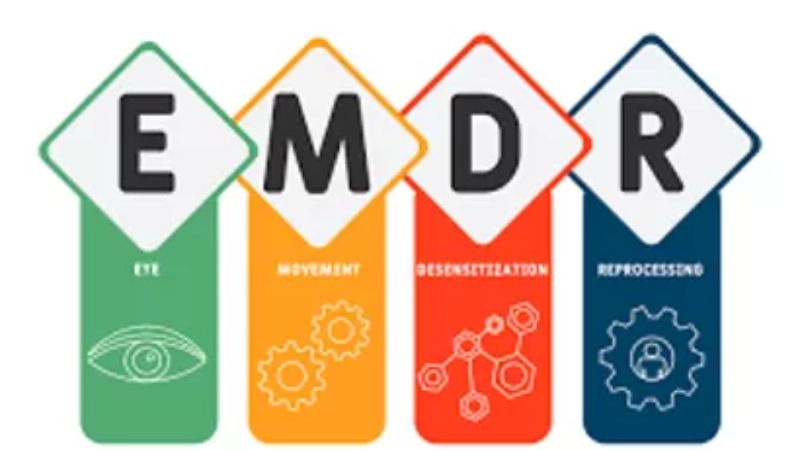
Eye Movement Desensitisation and Reprocessing (EMDR) is a structured therapy developed in the 1980s, primarily to help people process traumatic memories. Now recommended for the treatment of PTSD, EMDR is also showing promising results for a range of other mental health difficulties. Unlike traditional talking therapies, EMDR does not rely solely on discussion. Instead, it follows a structured 8-phase model and incorporates bilateral stimulation (typically through eye movements) to help the brain reprocess memories and reduce their emotional intensity.
Who Can Benefit?
EMDR is best known for treating post-traumatic stress disorder (PTSD), but research also supports its use for:
- Anxiety
- Depression
- Phobias
Attachment-Focused EMDR is a specialised approach that can be particularly helpful in addressing childhood wounds – not only from traumatic events such as abuse or accidents, but also from emotional neglect or the absence of nurturing caregiving.
Understanding Traumatic Memories
During a traumatic experience, the brain can become overwhelmed, preventing the memory from being processed in a healthy way. Instead, the experience becomes “stuck” and may resurface repeatedly in the present, often with high emotional intensity. EMDR helps to unlock and reprocess these memories so they no longer carry the same emotional charge.
The 8 Phases of EMDR
1. History Taking
The therapist gathers a full history and identifies key target memories and goals for treatment.
2. Preparation
The client is introduced to the EMDR model and supported in developing coping strategies to manage emotional reactions during treatment.
3. Assessment
Specific target memories and the negative beliefs linked to them are identified for reprocessing.
4. Desensitisation
The client engages in bilateral stimulation (such as tracking a moving object with their eyes) while recalling a traumatic memory. This helps reduce the emotional distress associated with it.
5. Installation
Once the memory has been desensitised, the therapist supports the client in strengthening a positive belief to replace the negative one.
6. Body Scan
Clients are guided to notice any lingering physical sensations related to the memory, which may indicate unprocessed distress.
7. Closure
Each session ends with grounding strategies to ensure the client feels calm, safe, and emotionally settled.
8. Re-evaluation
At the start of future sessions, progress is reviewed and the next steps in treatment are planned.
Moving Forward
EMDR is a well-researched and effective therapy for those living with the ongoing effects of trauma. With the support of a trained EMDR therapist, it is possible to reduce the emotional weight of painful memories and build a greater sense of emotional resilience.
To learn more or to enquire about booking a session with a member of the EMDR team at Vivamus, please contact us here.