
Understanding ADHD from a Neuropsychological Perspective
You’ve probably heard the term ADHD before, but what exactly does it mean? ADHD stands for Attention Deficit Hyperactivity Disorder, a common neurodevelopmental condition often diagnosed in childhood. It’s a complex disorder that usually becomes noticeable before age 14 and persists into adulthood. ADHD is marked by difficulties with attention, hyperactivity, or both.
What Does ADHD Look Like?
ADHD often shows up as trouble focusing on tasks, organising, or following through with plans. Children and adults with ADHD might find it hard to stay still, speak excessively, or interrupt others. In some cases, people may display a mix of both inattention and hyperactivity.
How ADHD Affects Thinking
ADHD doesn’t just affect behaviour; it also impacts how the brain works. People with ADHD may have challenges with:
- Working memory: the ability to hold and use information in your mind, like remembering a phone number while dialling it
- Reaction time: how quickly we can detect and respond to things around us
- Response inhibition: the ability to control impulsive behaviours or thoughts
Research shows that adults with ADHD often perform better on cognitive tasks than children. This could be due to experience or managing symptoms better over time. Scientists believe ADHD is linked to difficulties in controlling certain brain networks, such as the default mode network, which plays a role in focus and attention.
Brain Differences in ADHD
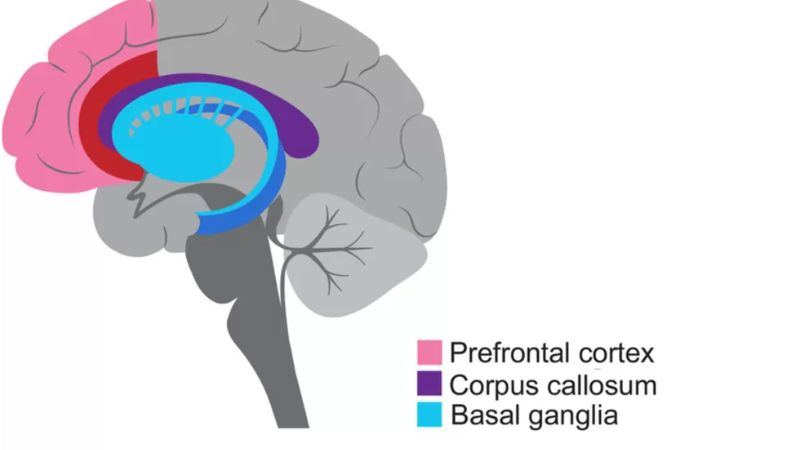
Studies using brain scans (like MRIs) have found that the brains of people with ADHD often look and function differently than those without the disorder. These changes might include differences in brain volume, surface area, and white matter. Key regions like the prefrontal cortex (involved in decision-making), basal ganglia (which help regulate movement), and the corpus callosum (which connects both sides of the brain) can also show abnormalities in people with ADHD.
Why Diagnosis and Treatment Matter
Without proper diagnosis and support, ADHD can lead to bigger problems later in life, including difficulties in school or work, substance use, and strained relationships. These challenges can leave individuals feeling frustrated or underachieving despite effort and potential.
Receiving a comprehensive assessment from a specialist can be a crucial first step. At Vivamus, psychologists offer detailed ADHD assessments and evidence-based interventions tailored for both children and adults. With the right support in place, improved focus, emotional regulation, and day-to-day functioning are all possible.