
Understanding Panic Attacks and How to Find Relief
Panic attacks are harmless in so much as they don’t cause any physical consequences, but they are deeply unpleasant. Awful, actually.
They’re unpleasant for two main reasons:
a) the overwhelming physical sensations in the body that send the heart racing and make it difficult to breathe, and
b) how we think when in the midst of a panic attack.
As any cognitive therapist will tell you, the two are inextricably linked. The way we think affects our anxiety levels which affects our physical sensations of anxiety which in turn affects our thinking. There’s that familiar vicious cycle again.
It is not uncommon that people who experience panic attacks have first been to ER or their GP, thinking there is something catastrophically wrong. Often suspecting a heart attack, a lung condition or simply “going mad,” people seek medical assistance to be reassured that they are indeed physically fine. Which is great, but it doesn’t stop the panic from happening again.
Understanding that there is no physical problem underpinning the sensations and that they are instead symptoms of anxiety best explained by the sympathetic nervous system misfiring is key to gaining control over panic. Not only does this help to break the unhelpful thoughts that perpetuate panic attacks, it is also deeply reassuring.
Common Symptoms of a Panic Attack
- Heart racing
- Shortness of breath
- Racing thoughts (e.g. “there is something wrong,” “I can’t breathe,” “I am going to die”)
- Feeling out of control
- Feeling dizzy and lightheaded
- Vision changing
- Sweating
When Panic Attacks Seem to Come from Nowhere
Panic attacks may occur in specific situations, such as after an argument or in a feared situation. Many people report that panic attacks happen in the middle of the night or when they are sitting on the sofa calmly, seemingly without an obvious trigger. Psychological support can help individuals gain relief from panic attacks by helping them understand what is causing them, even when it isn’t immediately obvious.
What Helps in the Moment
Once the triggers are known, changes can be made to address the underlying cause. A psychologist will also work with the individual to provide coping strategies for panic attacks as they happen.
Some tips to cope with panic attacks in the moment:
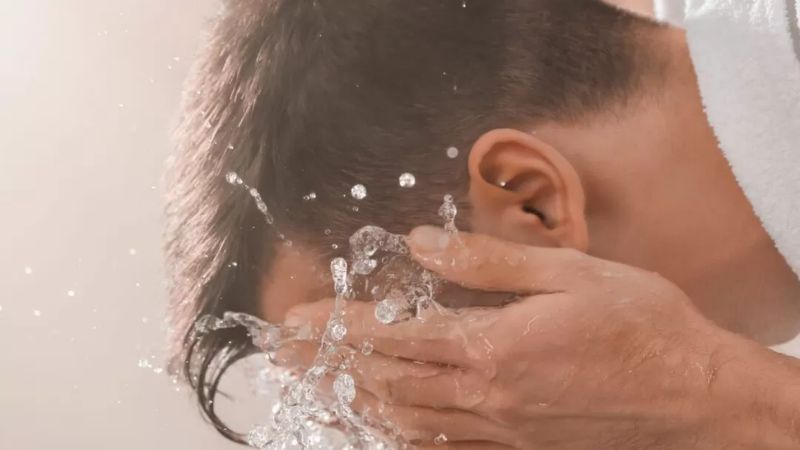
- Splash very cold water on your face
- Put some ice on the insides of your wrists
- Remind yourself that you are physically fine and this anxiety attack will subside
- Do a massive sigh. Breathe in and do as big a sigh as you can
- Breathe in and out slowly, making the out breath longer than the in breath
Moving Forward with Support
Panic attacks and anxiety attacks are very common. They’re really unpleasant, but they don’t have to continue. With the right support, it is possible to better understand why they happen and how to move through them.