
What Inside Out Gets Right About Emotions: A Psychologist’s Perspective
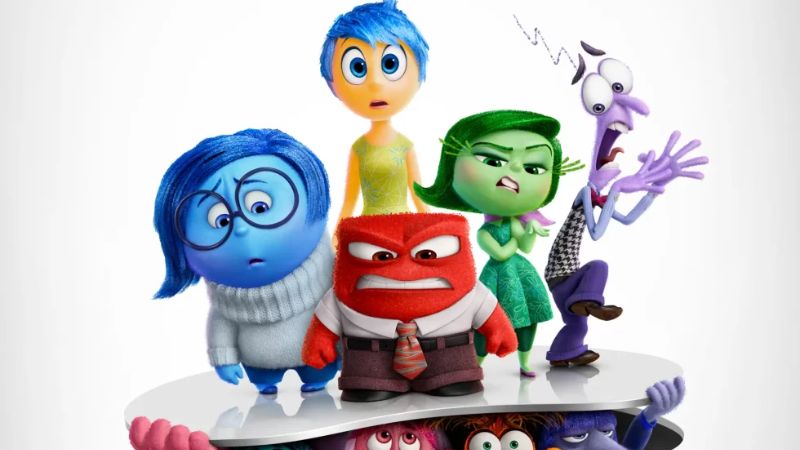
It is no big secret that child psychologists are fans of Disney Pixar’s 2015 film Inside Out. More than just an animated feature, the story presents a compelling and accessible exploration of the human emotional experience through the mind of 11-year-old Riley. The film offers a surprisingly sophisticated representation of psychological concepts that are central to both child and adult mental health.
With the release of its long-awaited sequel, this is a timely opportunity to revisit what the original film got right about emotions, difficult experiences, and the role of memory in shaping who we are.
Understanding Emotions
Inside Out introduces five core emotions: Joy, Sadness, Anger, Fear, and Disgust. These are personified characters who guide Riley’s thoughts, actions, and reactions from within her mind. This approach reflects the psychological work of Paul Ekman, who identified six basic emotions: happiness, sadness, anger, fear, disgust, and surprise. While the film omits surprise, it captures the key functions of the remaining five.
A central message is the value of all emotions, not just those seen as positive. This mirrors a vital psychological truth: every emotion serves a purpose. Sadness, for instance, can foster empathy and help us process change or loss. Anger can signal injustice and prompt action. The film emphasises that emotional health comes not from avoiding difficult feelings, but from accepting and integrating them.
The Role of Core Memories
One of the most powerful concepts in the film is that of “core memories” – key emotional experiences that help form the foundation of Riley’s personality. These glowing, colour-coded memories provide a creative and accurate metaphor for how impactful moments shape how we see the world and relate to others.
The film also shows how memories change over time. Riley’s experiences become layered with multiple emotions, reflecting how our perspective on the past can evolve. This mirrors psychological findings about memory: it is not fixed, but influenced by later experiences and feelings. For children who have been through challenges, understanding that emotional responses to past events can shift with support is an empowering idea.
The Importance of Parental Support
While Riley’s parents do not always handle things perfectly (no parent does), the film subtly illustrates the role of parental responsiveness in helping a child regulate emotions. When her parents offer empathy and validation, it gives Riley permission to express how she feels.
Psychological research supports this: children are better able to manage distress when caregivers provide safety, attunement, and the space to talk openly. Emotional development is not just an internal process. It happens through relationship, and Inside Out captures that well.
A Tool for Psychoeducation and Conversation
The film has become a useful reference point for many therapists working with children and families. It provides a shared language for emotions, and helps normalise emotional struggles as part of everyday life. For parents, it is also a gentle entry point for talking with children about what they feel and why. Rather than pathologising emotional difficulty, Inside Out encourages curiosity and compassion.
Looking Ahead: The Sequel and Emotional Complexity
With adolescence comes emotional intensity, social upheaval, and identity development. The Inside Out sequel continues this emotional journey, exploring how things change as children grow into teenagers. By introducing new emotional characters and more nuanced experiences, it offers an opportunity to reflect the complexity of the teenage mind. The original film opened the door for conversations about emotional literacy. Its sequel builds on that foundation, inviting even deeper understanding.
For professionals, parents, and young people alike, Inside Out remains a thoughtful and valuable lens for understanding emotions. Through its creative storytelling and psychological insight, it reminds us that every emotion matters and every feeling has something to teach us.